
Beginner Tips for Backyard Birdwatching: A Simple Guide to Get Started
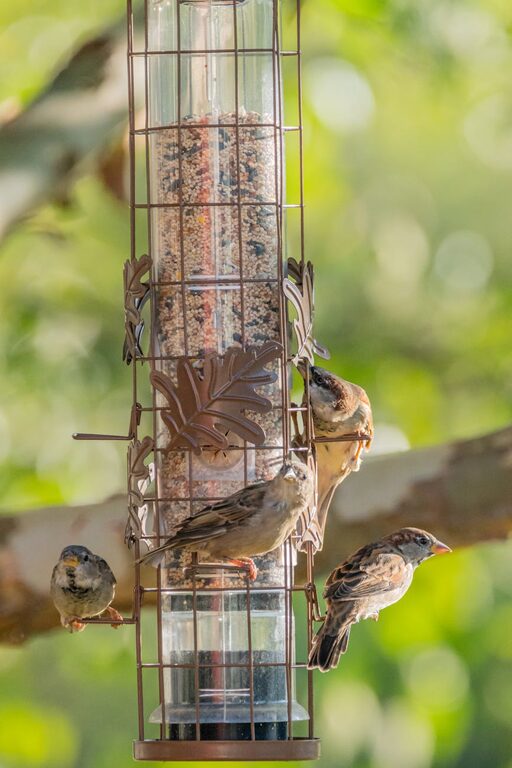
Birdwatching is a rewarding and peaceful hobby that brings you closer to nature right in your own backyard. Whether you have a small garden or a large outdoor space, observing birds can provide hours of enjoyment and relaxation. If you’re new to birdwatching, this guide offers beginner tips to help you attract birds, identify species, and make the most of your experience.
Why Birdwatch in Your Backyard?
Birdwatching at home is accessible to almost everyone. It requires minimal equipment and can be done at your convenience. Watching birds can also increase your appreciation for local wildlife, encourage outdoor time, and even benefit your mental well-being.
Getting Started: Essentials for Your Backyard Birdwatching
1. Choose the Right Spot
Find a quiet corner in your yard where birds feel safe. Ideally, this spot will be near trees or shrubs, which provide natural shelter. A spot visible from a window or patio makes it easy to watch without disturbing the birds.
2. Set Up Bird Feeders
Bird feeders attract a variety of species. Here are a few tips for feeder setup:
– Types of Feeders: Use tube feeders for finches and chickadees, platform feeders for ground-feeders like doves, and suet feeders for woodpeckers.
– Food Choices: Black-oil sunflower seeds are popular among many birds. Nyjer seeds attract finches, while suet is great for insect-eating birds.
– Placement: Place feeders at least 5 feet off the ground to deter predators, and position them near cover like shrubs or trees but far enough to prevent easy predator access.
3. Provide Water
Birds need fresh water for drinking and bathing. A birdbath or shallow dish filled with clean water will attract more visitors.
– Place the water source near shelter.
– Change water regularly to keep it clean.
– In winter, consider a heated birdbath to prevent freezing.
4. Create Habitat-Friendly Plantings
Native plants provide natural food, shelter, and nesting sites. Incorporate a mix of trees, shrubs, and flowers to attract different bird types.
– Plant berry-producing shrubs for fall and winter food.
– Include native grasses and wildflowers for seeds and insects.
– Avoid pesticides that can harm birds and reduce their food supply.
Tools and Tips for Birdwatching
1. Use Binoculars
A good pair of binoculars will enhance your viewing experience by letting you see details from a distance. Look for models that are lightweight and offer clear images.
2. Get a Field Guide or App
A bird identification guide or smartphone app helps you recognize local species. Features like photos, calls, and descriptions make learning easier.
3. Keep a Bird Journal
Record your sightings to track species variety, numbers, and behavior. This can also be a fun way to notice seasonal changes and bird migration patterns.
Basic Bird Identification Tips
Identifying birds becomes easier with practice. Start by noting:
– Size and Shape: Is the bird small like a sparrow or large like a crow?
– Color Patterns: Look for distinctive colors or markings on wings, head, and body.
– Behavior: Watch how the bird moves, feeds, and interacts.
– Sounds: Bird songs and calls are important clues.
Common Backyard Birds to Watch For
While the variety depends on your location, some common backyard birds include:
– American Robin
– Northern Cardinal
– Blue Jay
– Black-capped Chickadee
– Mourning Dove
– House Finch
– Downy Woodpecker
Familiarizing yourself with these birds can boost your confidence in birdwatching.
Seasonal Considerations
Bird populations change with the seasons. Spring and fall bring many migrating birds, while winter offers a chance to see hardy residents. Adjust your birdfeeding and habitat strategies accordingly.
– In spring, offer protein-rich foods like mealworms for nesting birds.
– In summer, keep water fresh and provide shade.
– In fall, increase seed availability to prepare birds for migration.
– In winter, focus on high-energy foods and maintaining water.
Be Patient and Respectful
Birdwatching requires patience. Birds might take time to discover your feeders or become comfortable near your home. Avoid sudden movements and keep pets away while watching.
Remember that feeding birds is a privilege. Never disturb nests or handle wild birds.
Conclusion
Starting backyard birdwatching is simple and enjoyable. With a few feeders, some water, and attention to your natural surroundings, you can create a welcoming environment for local birds. Enjoy watching their colorful displays and behaviors and let this hobby bring you closer to the beauty of nature.
Happy birdwatching!