
How to Start a Small Herb Garden Indoors: A Beginner’s Guide
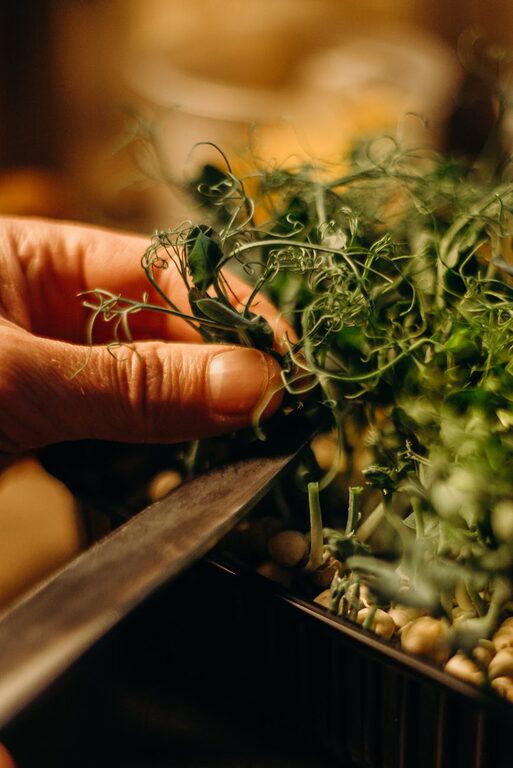
Starting a small herb garden indoors is a rewarding way to bring fresh flavors to your cooking and a touch of nature into your home. Whether you have a sunny windowsill or limited space, growing herbs indoors can be simple and enjoyable. This guide covers everything you need to know to get started, from choosing the right herbs to caring for them daily.
Why Grow Herbs Indoors?
Indoor herb gardening offers several benefits:
– Freshness: Pick herbs whenever you need them.
– Convenience: No need to run to the store for small amounts.
– Decoration: Adds greenery and a pleasant aroma to your space.
– Satisfaction: Watching plants grow is fulfilling and relaxing.
Now that you know why to grow herbs indoors, let’s look at how to set up your garden.
Choosing the Right Herbs for Indoor Gardening
Not all herbs thrive indoors, but many popular ones do well with the right care. Here are some great choices:
– Basil: Needs lots of light and warmth.
– Mint: Fast-growing and hardy, but can spread quickly.
– Parsley: Prefers moderate light and regular watering.
– Chives: Tolerant of shade and easy to grow.
– Thyme: Likes bright light and dry soil between watering.
– Cilantro: Needs cooler temps and moderate light.
– Oregano: Prefers bright, indirect light and well-draining soil.
Start with one or two herbs you use most in cooking, then expand as you gain experience.
Selecting Containers and Soil
Containers
Choose pots that have drainage holes to prevent water buildup, which can cause root rot. Popular options include:
– Terracotta pots: porous, good for herbs that prefer drier soil.
– Plastic pots: lightweight and retain moisture better.
– Recycled containers: just ensure they have drainage holes.
Containers between 4 to 6 inches wide are ideal for most herbs.
Soil
Use a high-quality potting mix designed for indoor plants. Avoid garden soil since it may be too dense or contain pests. Look for a mix that is:
– Well-draining
– Lightweight
– Nutrient-rich
You can also add perlite or sand to improve drainage.
Finding the Best Spot for Your Herb Garden
Herbs generally need plenty of sunlight, about 6 to 8 hours a day. A south-facing window is usually best. If natural light is limited, consider:
– Using grow lights with full-spectrum bulbs
– Placing herbs under fluorescent lighting for 12-16 hours daily
Avoid placing herbs in drafty areas or near heat vents, which can dry them out quickly.
Planting Your Herbs
You can start from seeds or buy seedlings from a nursery.
Starting from Seeds
– Fill containers with moistened potting mix.
– Plant seeds according to package instructions—usually about 1/4 inch deep.
– Keep soil moist but not soggy.
– Cover with plastic wrap or a clear dome to retain humidity until sprouts appear.
– Remove cover once seedlings grow.
Using Seedlings
– Gently loosen the roots before planting.
– Dig a hole in the potting mix to fit the root ball.
– Place the plant and cover roots with soil, pressing gently.
– Water thoroughly.
Watering and Feeding Your Indoor Herbs
Watering
– Water when the top inch of soil feels dry.
– Avoid overwatering; soggy soil leads to root rot.
– Use room-temperature water to avoid shocking plants.
Feeding
– Use a balanced, water-soluble fertilizer every 4-6 weeks.
– Dilute fertilizer to half the recommended strength to avoid burning roots.
Caring for Your Herb Garden
Pruning and Harvesting
– Pinch off leaves regularly to encourage bushy growth.
– Harvest no more than one-third of the plant at a time.
– Remove any dead or yellowing leaves to keep plants healthy.
Managing Pests
Indoor herbs can attract pests like aphids or spider mites. To manage:
– Inspect plants regularly.
– Wipe leaves gently with a damp cloth.
– Use insecticidal soap if needed, following instructions carefully.
Humidity and Airflow
Herbs prefer moderate humidity and fresh air circulation. Open windows occasionally or use a fan to prevent mold and mildew.
Common Challenges and Solutions
| Problem | Cause | Solution |
|———————–|————————–|———————————————–|
| Wilting leaves | Overwatering or underwatering | Check soil moisture; adjust watering schedule. |
| Yellow leaves | Nutrient deficiency or too much water | Feed plants and reduce watering. |
| Leggy stems | Insufficient light | Move herbs closer to light source. |
| Pests | Lack of air circulation or infestation | Improve airflow; treat pests promptly. |
Enjoying Your Indoor Herb Garden
With a little care, your indoor herb garden will thrive. Fresh herbs can enhance your meals, brighten your kitchen, and become a joyful hobby. Keep experimenting with new herbs and growing methods as you gain confidence.
Bonus Tips
– Rotate plants weekly for even light exposure.
– Group herbs with similar water needs together.
– Use decorative pots to complement your home style.
Starting your small indoor herb garden is a fun and sustainable way to enjoy fresh greens year-round. Happy gardening!